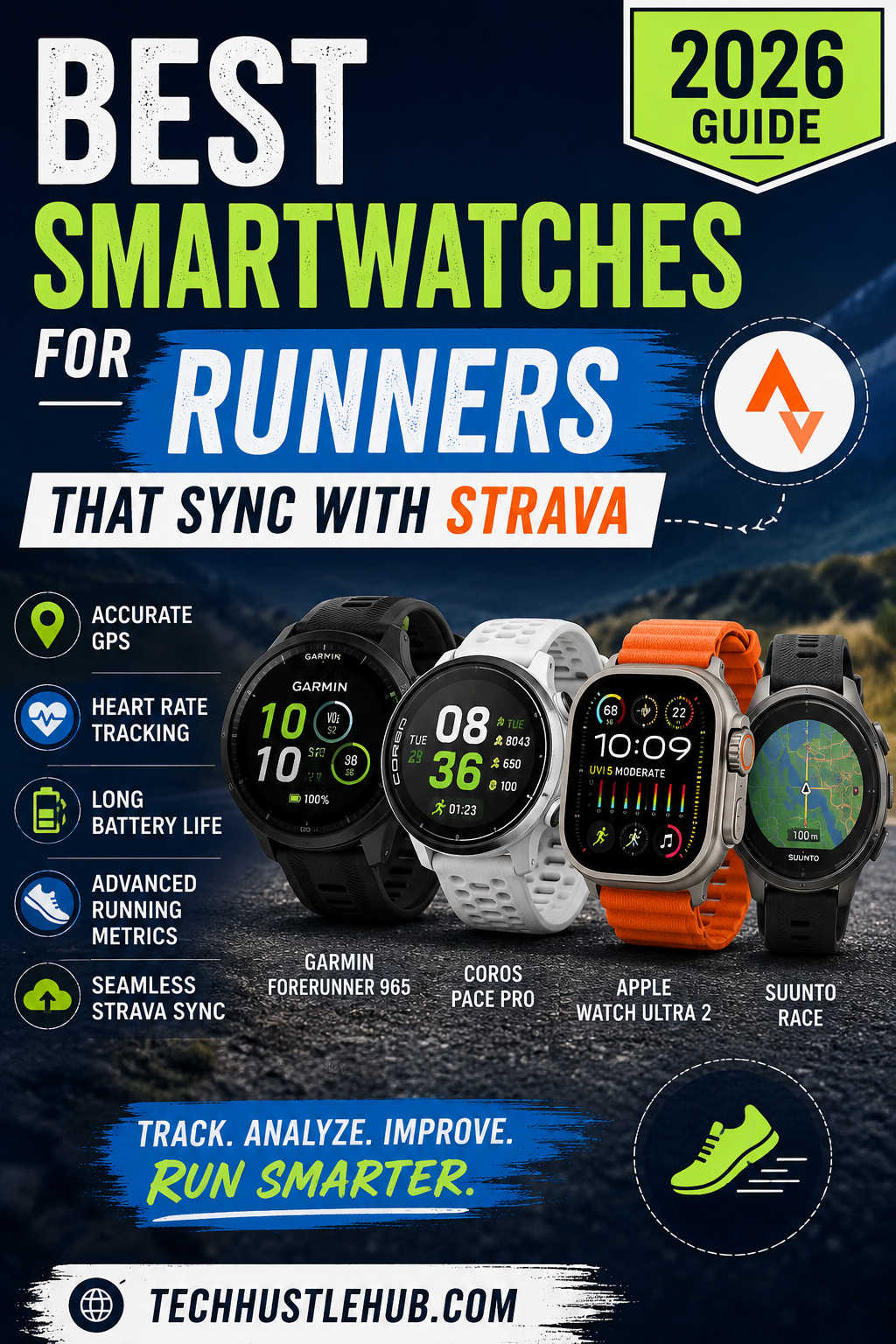
Whether you’re training for your first 5K, preparing for a marathon, or simply trying to stay consistent with your daily runs, a reliable smartwatch can make a significant difference in your performance. Modern running watches do much more than count steps and track distance. They provide detailed insights into your pace, heart rate, recovery, sleep quality, training load, and overall fitness progress.
Strava
How to Use Strava to Improve Your Running Performance

Most people use Strava the same way: finish a run, glance at the pace and distance, hand out a few kudos, and close the app. Nothing wrong with that — but it leaves a lot on the table. Strava is quietly packed with tools that can help you run faster, avoid injuries, and train with a lot more purpose. You just have to know where to look.
How to Analyze Your Running Data on Strava (Complete Guide)
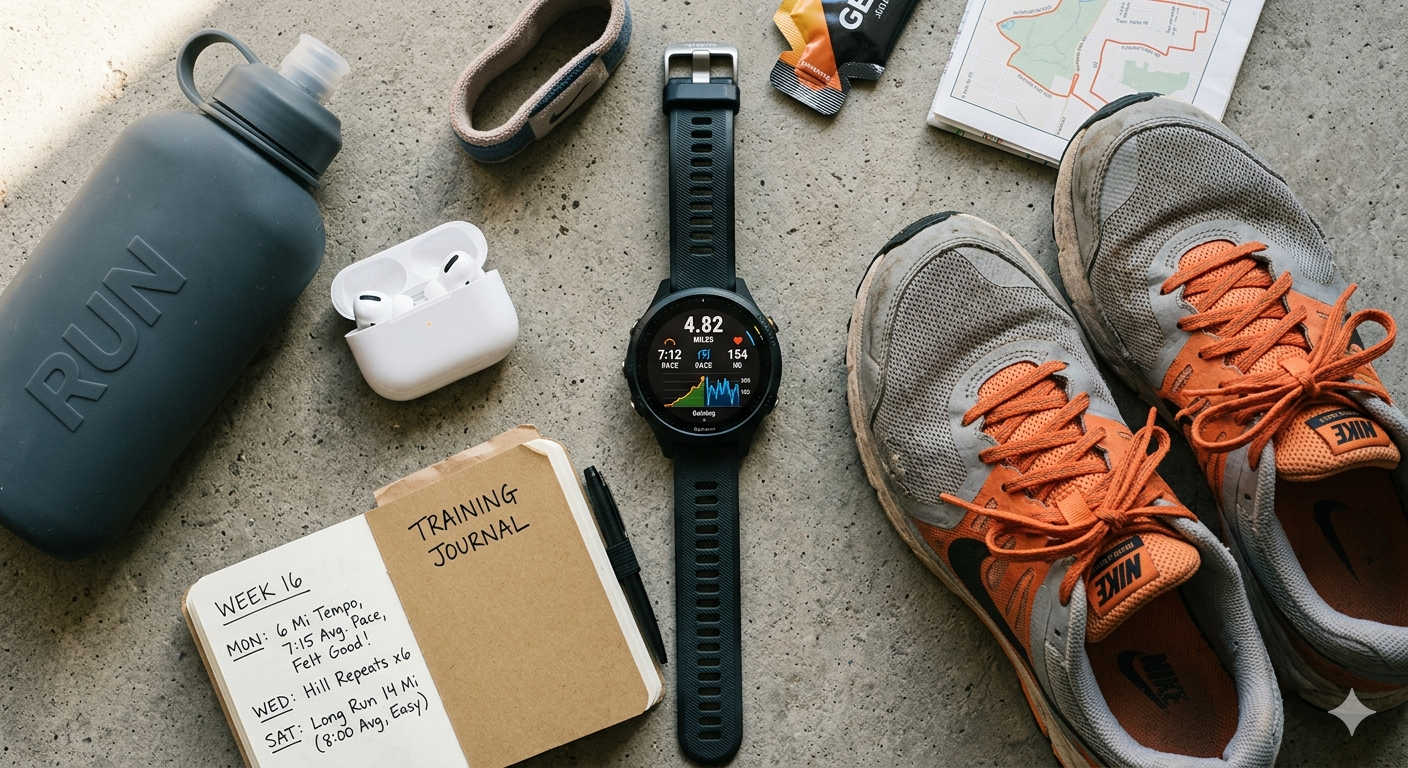
Picture this: you finish a solid 8-mile run, sync your watch to Strava, and spend about twelve seconds looking at it. Distance — check. Pace — decent. You double-tap a couple of kudos notifications and close the app. Sound familiar?
Beginner’s Guide to Using Strava for Running and Fitness Tracking (2026)
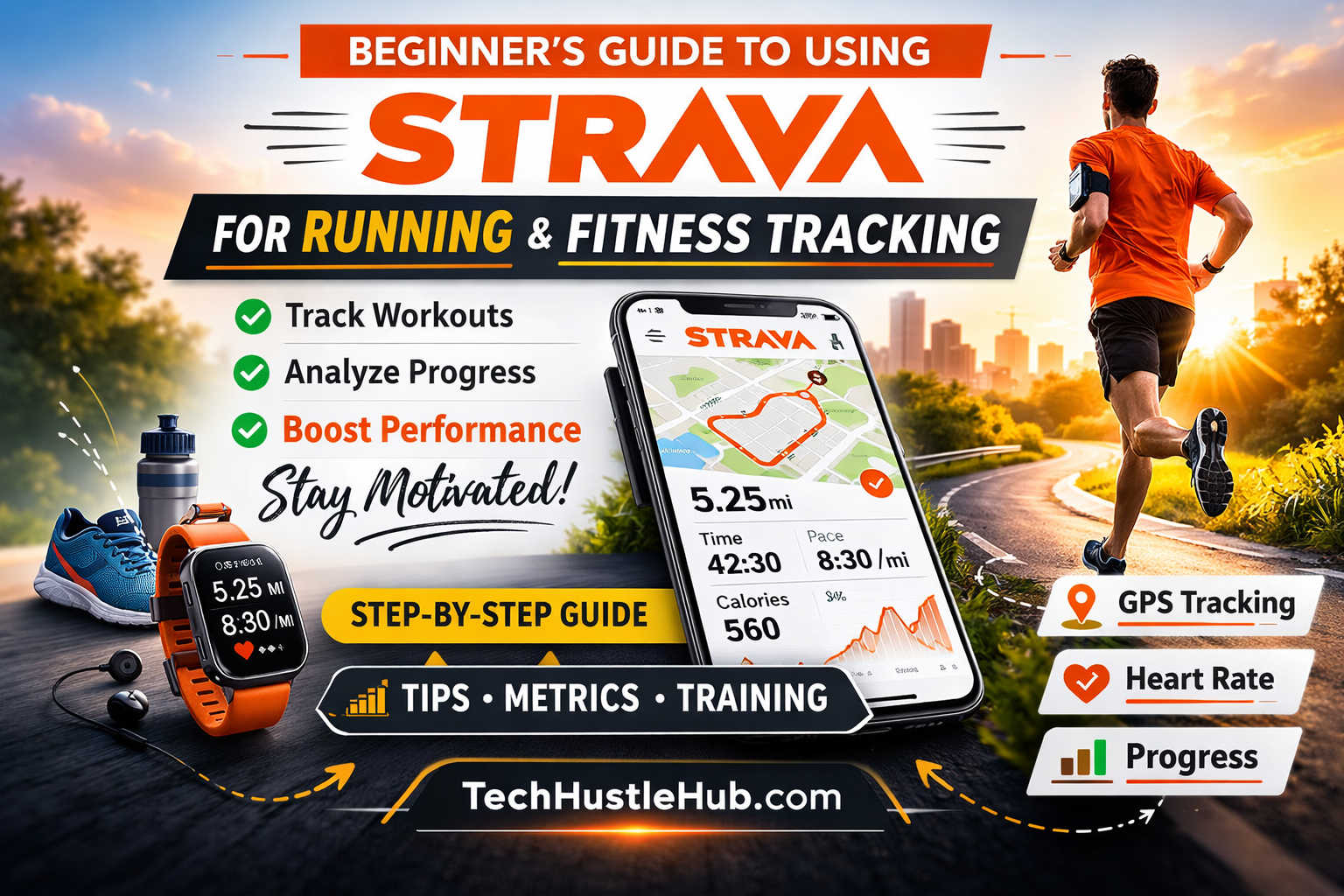
If you’ve recently started running—or you’re thinking about it—you’ve probably heard of Strava. It’s one of the most popular fitness tracking apps in the world, used by millions of runners, cyclists, and everyday athletes to record workouts, analyze performance, and stay motivated.
How to Track Treadmill Runs on Strava (Complete Indoor Running Guide)
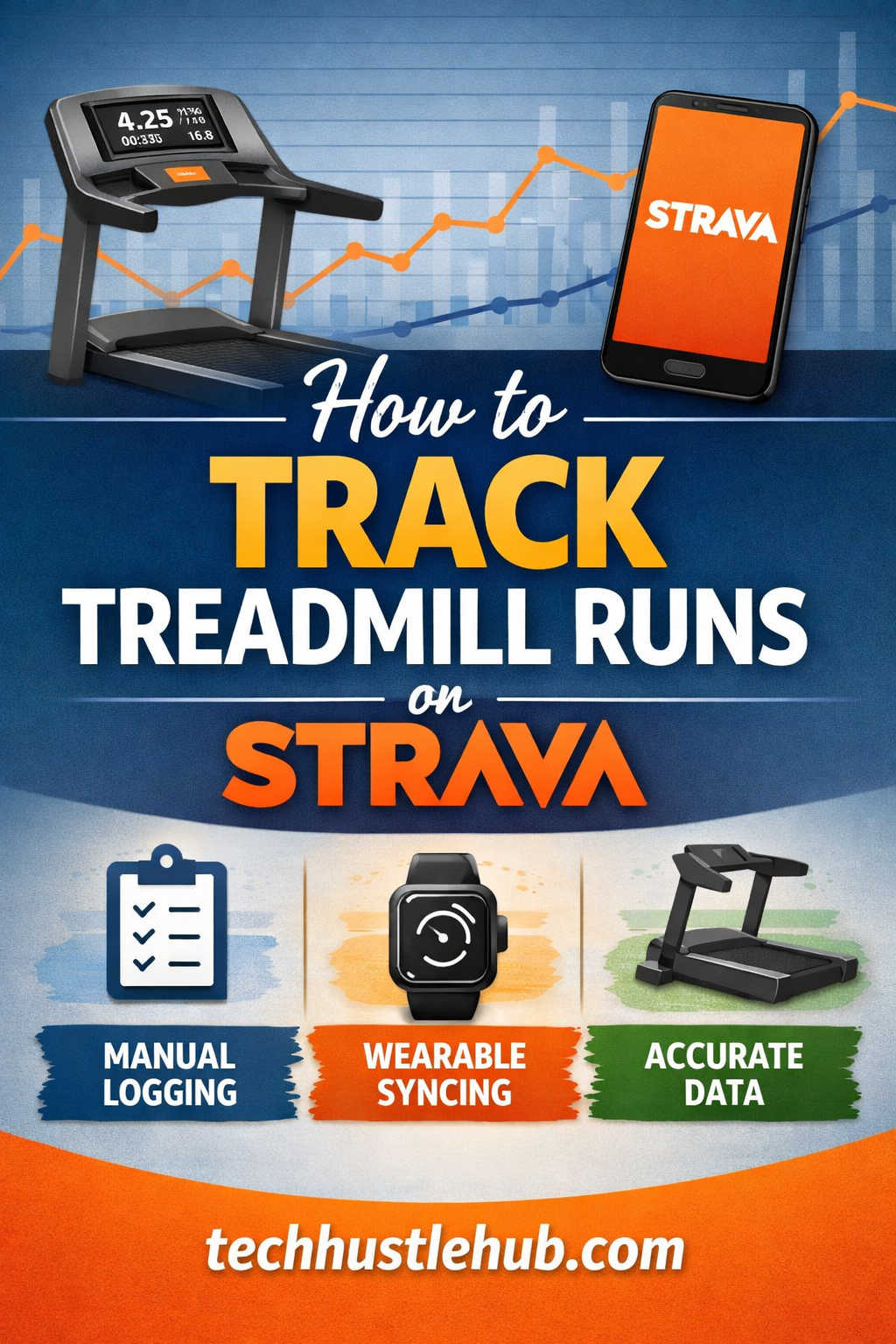
Indoor running is no longer just a backup plan for bad weather. For many runners, treadmill sessions are part of structured training, recovery routines, or daily fitness goals. At the same time, logging workouts on Strava has become essential for tracking progress, building habits, and staying motivated.